A commitment to safety
Brearey Building Experts are committed to the health, safety, and well-being of our clients.
We are trained Fire Risk Assessors and undertake detailed assessments of our client’s buildings and management systems to ensure that they are compliant and that their staff are safe.
We, as a business, are an Associate Member of the Institute of Fire Safety Managers, and our team hold a L4DipFRA qualification as well as being a Full member of the Institute (MIFSM).
Who needs a Fire Risk Assessment?
Anyone responsible for non-domestic premises – including employers, owners and occupier workplaces, landlords of multi-occupied residential businesses – needs to conduct a fire risk assessment to identify fire hazards and keep people safe. This is a legal requirement under the Fire Safety Order and the Building Safety Act. The assessment must be recorded, regularly reviewed, and updated if significant changes occur.
What is a Fire Risk Assessment?
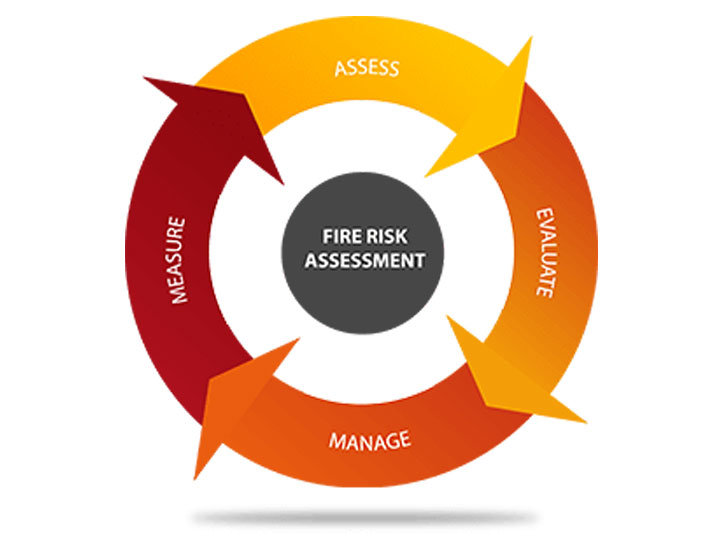
A Fire Risk Assessment (FRA) is a process of systematically evaluating a building and its activities to identify potential fire hazards, assess the risks they pose, and determine necessary measures to prevent, control, and reduce the effects of a fire to protect people.
This involves identifying people at risk, finding sources of ignition and flammable materials, assessing existing safety measures, recording findings and actions, and regularly reviewing the assessment.
Who is a Responsible Person?
A “Responsible Person” for fire safety is the person or people with legal control of a building or workplace and is responsible for carrying out fire risk assessments, implementing fire safety measures, and ensuring staff receive fire safety training. This role typically falls to an employer, the owner or the landlord of the premises, or anyone else in control, such as a facilities manager.
Please get in contact with us, using the form below, so that we can discuss your requirements and ensure that you are safe & legal


Frequently Asked Questions (FAQs)
1. What is a Fire Risk Assessment (FRA)?
A Fire Risk Assessment is a structured inspection and evaluation of a building to identify fire hazards, assess the level of risk, and recommend measures to keep people safe. It is a legal requirement for most non‑domestic premises and the communal areas of residential buildings.
2. Who needs a Fire Risk Assessment?
Under UK law, an FRA is required for:
- All commercial premises
- All workplaces
- HMOs (Houses in Multiple Occupation)
- Blocks of flats (communal areas)
- Mixed‑use buildings
- Public buildings
- Any premises with employees, visitors, or residents
If you’re unsure whether your building needs one, I can tailor guidance to your situation.
3. How often should a Fire Risk Assessment be reviewed?
The law requires FRAs to be regularly reviewed, typically:
- Every 12 months as good practice
- Every 3 years for a full reassessment
- Immediately after significant changes (layout, occupancy, fire systems, etc.)
- After a fire incident or near‑miss
High‑risk buildings may require more frequent reviews.
4. What does a Fire Risk Assessment include?
A comprehensive FRA covers:
- Identification of fire hazards
- Assessment of people at risk
- Evaluation of existing fire safety measures
- Means of escape and evacuation routes
- Fire detection and alarm systems
- Emergency lighting
- Fire doors and compartmentation
- Signage and fire‑fighting equipment
- Management procedures and record‑keeping
Recommendations for compliance and improvement
5. How long does a Fire Risk Assessment take?
Most assessments take 1–3 hours, depending on the size and complexity of the building. Larger or multi‑storey buildings may take longer.
6. Will I receive a written report?
Yes — you will receive a clear, structured report that includes:
- Photographs
- Risk ratings
- Compliance status
- Required actions
- Recommended improvements
- Priority levels and timescales
This report can be used as evidence of compliance with fire safety legislation.
7. Who can carry out a Fire Risk Assessment?
The law requires a competent person with the necessary training, experience, and understanding of fire safety. Many businesses choose a professional assessor to ensure compliance and reduce liability.
8. What information do you need before the assessment?
Typically:
- Building address and layout plans (if available)
- Details of occupancy and use
- Fire alarm and emergency lighting test records
- Maintenance logs
- Fire safety policies or procedures
If you don’t have these, the assessment can still proceed — the assessor will advise what needs updating.
9. How much does a Fire Risk Assessment cost?
Costs depend on:
- Building size
- Number of floors
- Complexity of layout
- Occupancy type
- Whether fire door checks are included
Most companies provide a fixed‑fee quote once they understand the scope.
10. Do you work with landlords, businesses, or managing agents?
Fire risk assessors typically work with:
- Landlords
- Letting agents
- Managing agents
- Small and large businesses
- HMO owners
- Residential block managers
- Public sector organisations
11. What happens if my building is not compliant?
Your report will clearly outline:
- What needs to be fixed
- How urgent each issue is
- Practical steps to achieve compliance
You will also receive guidance on prioritising actions to reduce risk quickly.

